Stress Management in Miami: Techniques, Strategies & Wellness Approaches
Stress rarely announces itself. It shows up as a jaw that stays tight through the afternoon, a mind that keeps running after the laptop closes, sleep that never quite goes deep, and a body that feels heavier on Thursday than it did on Monday.
For a lot of people in Miami, this has become the baseline. Long hours, constant notifications, traffic, deadlines, and a city that rarely slows down keep the nervous system switched on far longer than it was built for.
Managing that load is less about eliminating stress, which is neither possible nor entirely desirable, and more about learning how to move through it and recover from it. Stress management is the collection of habits, practices, and environments that help the body shift out of a constant state of alertness and back into balance. Some of it is mental. Much of it is physical. A surprising amount of it comes down to giving the body regular, structured opportunities to downshift.
At SILA Miami, stress management is woven into a broader rhythm of movement, recovery, and modern wellness. Our sanctuary in Upper Buena Vista brings breathwork, yoga, heat, cold, bodywork, and restorative practices together in one outdoor, jungle-inspired space, so managing stress becomes part of a routine rather than one more task on the list. This guide walks through what stress management involves, the main techniques and methods that help, and how to build something sustainable you can keep coming back to.
START YOUR STRESS-RELIEF ROUTINE AT SILA
What Is Stress Management?
Stress management refers to the range of techniques, strategies, and lifestyle practices that help you respond to stress in healthier ways. It does not mean removing every source of pressure from your life. It means changing how your body and mind react to that pressure, and giving yourself reliable ways to recover once the pressure passes.
Stress itself is a normal physiological response. When your brain perceives a demand or a threat, it triggers a cascade of changes: heart rate rises, breathing quickens, muscles tense, and stress hormones like cortisol and adrenaline move through the body. This response is useful in short bursts. It sharpens focus and mobilizes energy when you genuinely need it. The trouble is that the modern version of stress rarely switches off. Many people live in a low, continuous state of activation that never fully resolves, replacing the brief surge-and-recovery pattern the body handles well.
Good stress management works on both ends of that cycle. It includes techniques that lower the intensity of the stress response in the moment, such as slow breathing or mindful movement, and it includes practices that help the body return to a settled, recovered state afterward. Over time, the aim is a nervous system that responds when it needs to and recovers well once the demand is gone.
Why Stress Management Matters
Chronic, unmanaged stress does not stay in your head. It shows up in the body and in daily life. Persistent activation of the stress response is associated with disrupted sleep, tension headaches, digestive discomfort, muscle tightness, fatigue, and difficulty concentrating. Over longer periods, ongoing stress is linked in research to effects on cardiovascular health, immune function, and mood.
Sleep is often the first thing to suffer. Stress and poor sleep tend to reinforce each other: a stressed system struggles to fall and stay asleep, and a sleep-deprived body handles stress less well the next day. The same loop shows up with tension and recovery. When the body never gets a chance to downshift, muscles stay guarded, workouts take longer to bounce back from, and the “wired but tired” feeling becomes familiar.
The encouraging part is how responsive this system is. The same levers that push stress upward, including inactivity, shallow breathing, and constant stimulation, are also the levers that bring it down when you use them deliberately. Movement, breath, rest, and recovery each give the body a way back toward balance, and they compound when they become a consistent part of the week rather than an occasional reset.
Common Stress Management Techniques
Most effective stress management comes down to a handful of accessible practices that work with the nervous system rather than against it. None require special equipment or a major time commitment to begin. The value comes from consistency, and from combining a few methods so they support each other.
Breathing and Breathwork
Breathing is one of the few automatic processes you can also control on purpose, which makes it one of the most direct ways to relieve stress. Slow, deep breathing, particularly when the exhale runs longer than the inhale, helps activate the parasympathetic nervous system, the branch responsible for rest and recovery. A few minutes of focused breathing can noticeably lower the sense of being overwhelmed.
Simple patterns work well:
- Extended-exhale breathing: in for a count of four, out for a count of six, repeated for a few minutes, which gives the body a clear signal to settle
- Box breathing: equal counts to inhale, hold, exhale, and hold again, useful when the mind is racing and needs a steady rhythm
- Paced breathing before sleep: slow, quiet breaths to ease the transition from a stimulating day into rest
These are relaxation techniques you can use almost anywhere, at a desk, in traffic, or before bed. Breathwork also pairs naturally with movement and stillness, which is why it runs through yoga, meditation, and recovery practices.
Mindfulness and Meditation
Mindfulness is the practice of paying attention to the present moment without judging it. Meditation is one structured way to train that skill. Both are associated in research with reductions in perceived stress and improvements in emotional regulation, and both work by interrupting the mental loops, such as rumination and worry about the future, that keep the stress response running.
Getting started is simpler than it often seems. A few minutes of sitting quietly and following the breath, a short guided meditation, or a slow, attentive walk all count. The goal is not to empty the mind or reach a perfect state of calm. It is to notice when attention has wandered and gently bring it back, again and again. That repeated act of returning is where much of the benefit lives.
Movement and Exercise
Physical activity is one of the most reliable ways to relieve stress. Movement helps process the physiological byproducts of the stress response, releases tension held in the muscles, and supports the release of mood-regulating chemicals in the brain. Regular exercise is associated with lower baseline stress, better sleep, and improved resilience over time.
The type of movement matters less than the consistency. Strength work, mobility training, walking, and flow-based movement all help. At SILA, movement practices ranging across kettlebell strength and Pravilo stretch give you different ways to discharge tension and support recovery, while yoga occupies a category of its own when it comes to stress relief.
Yoga for Stress Relief
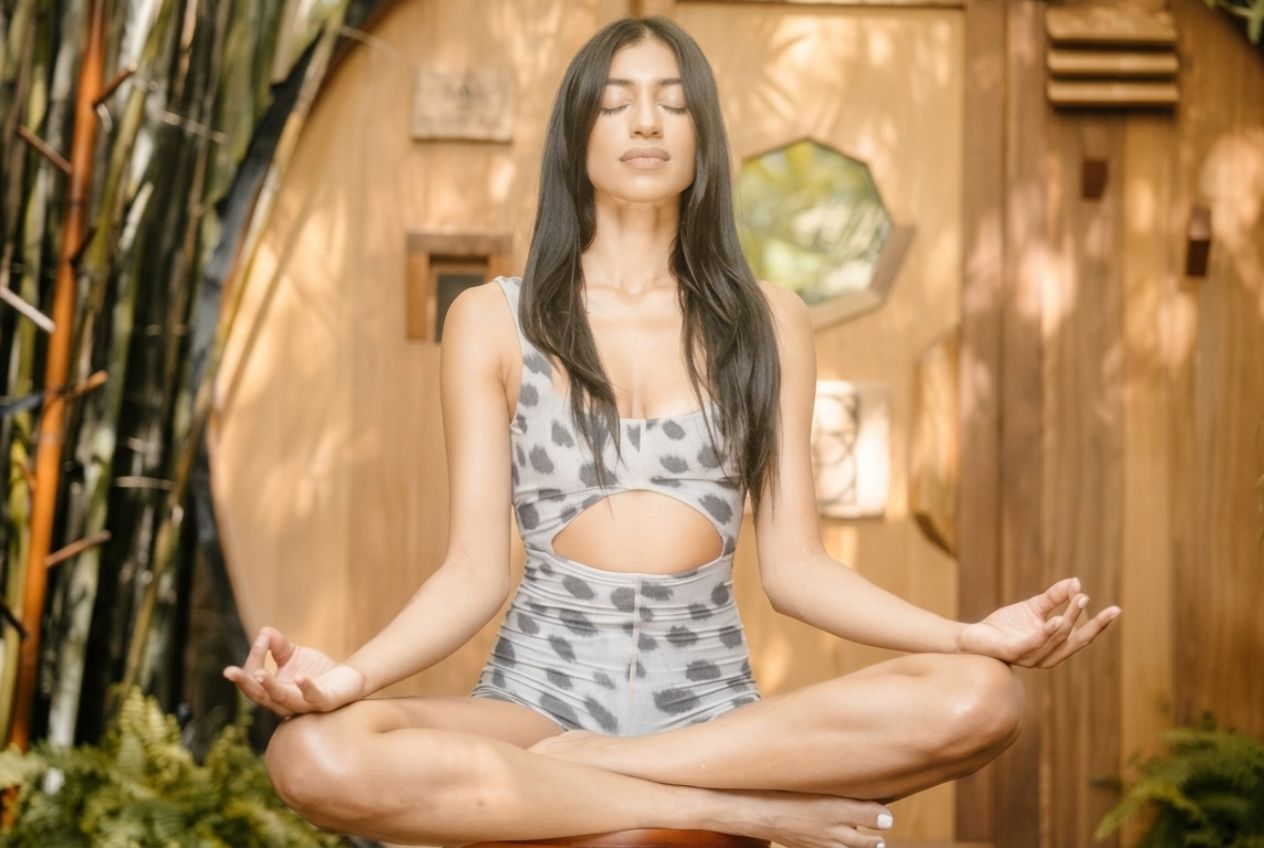
Yoga is one of the most studied movement practices for stress, partly because it works on the body and the nervous system at the same time. Every breath, pose, and transition trains attention while moving the body through ranges of motion that most modern routines never reach. The result is a practice that builds strength and flexibility while calming the system underneath.
The nervous system effects are where yoga stands out among stress relief techniques. Slow, breath-led movement encourages the parasympathetic branch to take over, and research associates regular practice with healthier regulation of the systems most involved in the stress response, along with improvements in heart rate variability and perceived stress. A grounding, restorative sequence can help settle a system that has been switched on all day, while a more dynamic flow gives restless energy somewhere to go and quiets mental chatter through rhythm.
At SILA, yoga in Miami is practiced outdoors in a jungle-style sanctuary in Upper Buena Vista, where breathing tends to deepen naturally and focus comes more easily in open air. Styles range across grounding, restorative flows and more dynamic sessions, so the practice can meet you wherever your stress levels are on a given day.
Sauna for Stress Relief
Heat has been used to relax the body for centuries, and modern research helps explain why it works. Sitting in a sauna raises core temperature, dilates blood vessels, and prompts the physiological shift many people experience as deep relaxation. Regular sauna use is associated in research with effects on the autonomic nervous system and with the relaxation response that follows a session, which is part of why so many people describe it as one of the most reliable ways to unwind in Miami.
The sauna also offers something increasingly rare: a dedicated block of time with no screen, no task, and nothing to do but sit and breathe. That enforced pause is a meaningful part of the benefit. Paired with cold exposure in a contrast sequence, it becomes a deliberate ritual that marks a clear line between a stimulating day and a recovered evening.
At SILA, the sauna and cold plunge sit at the center of a recovery rhythm designed to help the body downshift, and they pair naturally with the other restorative practices in the space.
Stress Relief Bodywork and Somatic Bodywork
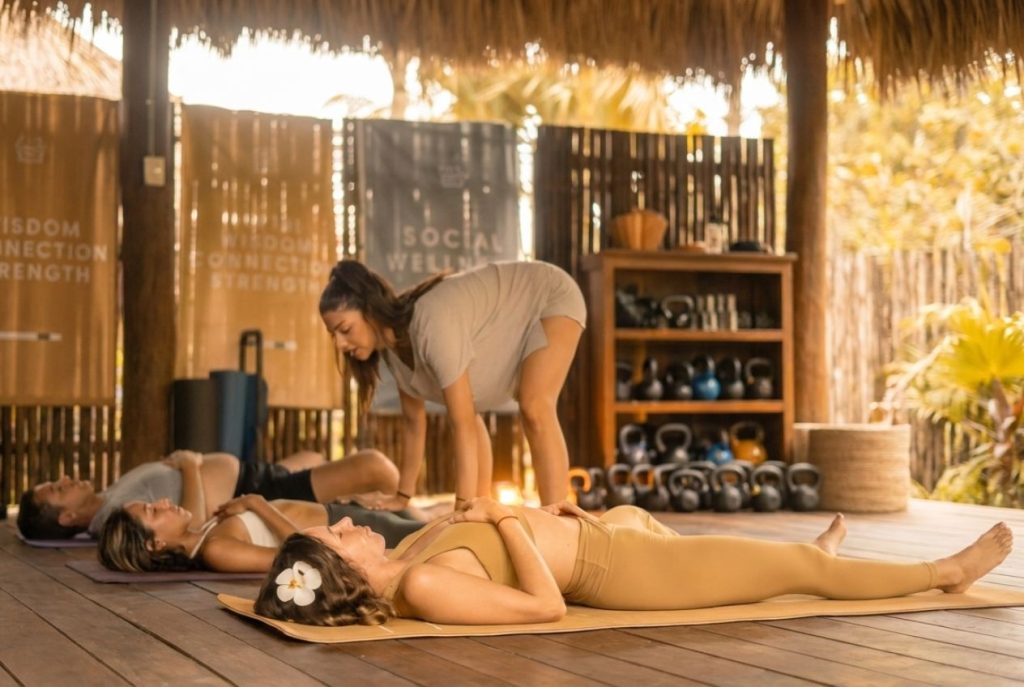
Stress does not only live in the mind. It settles into the body as guarded muscles, restricted movement, and areas of chronic tension that build quietly over months and years. Hands-on bodywork addresses that physical layer directly, giving the body a chance to release what it has been holding and shift out of a protective, tightened state.
Somatic bodywork at SILA takes a broader approach than conventional massage. It works with fascia, joint mechanics, posture, and the nervous system together, combining deep tissue techniques, myofascial release, and assisted stretching into a personalized session. Because the practice engages both structure and sensation, it gives you a way to slow down, release accumulated tension, and reconnect with the body as part of a wider stress-management routine.
Stress Management and Coping Strategies
Techniques address stress in the moment. Coping strategies address how you respond to stressful situations over time, and building healthier patterns is where a lot of lasting change happens. Coping strategies fall broadly into two kinds. Problem-focused coping targets the source of stress directly, through planning, prioritizing, setting boundaries, and breaking large demands into manageable steps. Emotion-focused coping addresses the internal experience of stress through reframing, self-compassion, connection with others, and the relaxation techniques covered above.
Most people lean on a narrower set of coping habits than they realize, and some common ones, including avoidance, overwork, and numbing, tend to increase stress over the longer run. Widening the toolkit, and matching the strategy to the situation, is what builds real resilience.
Stress Management Techniques for Stress and Anxiety
Stress and anxiety overlap, though they are not the same thing. Stress is usually a response to an identifiable external demand and tends to ease once that demand passes. Anxiety often persists beyond the immediate trigger and can show up as ongoing worry, restlessness, or physical tension even when nothing specific is happening. Many of the same wellness practices, including breathwork, movement, mindfulness, and recovery, can support the body’s ability to settle in both cases.
There is an important distinction to hold onto. Anxiety disorders are recognized medical conditions, and persistent or intense anxiety deserves care from a qualified mental health professional. Wellness practices can complement that care and support day-to-day calm, and they work alongside professional treatment rather than in place of it. A diagnosed anxiety disorder needs clinical support, and the practices in this guide are best understood as part of a healthy lifestyle around that care.
Stress, Sleep and Recovery
Stress, sleep, and recovery form a tight loop, and each one shapes the others. Poor sleep raises stress sensitivity, elevated stress degrades sleep, and without genuine recovery the whole system stays wound up. Breaking the loop usually means improving all three together rather than chasing any one in isolation.
Recovery is the part most people underestimate. The nervous system needs regular, structured opportunities to downshift, and that rarely happens on its own in a busy week. Deliberate recovery practices, whether heat and cold, restorative movement, or protected time away from stimulation, give the body a reliable off-ramp. For a deeper look at how stress, sleep, recovery, and lifestyle connect, and how they relate to low-grade inflammation, our guide to lifestyle, stress and inflammation explores the relationship in detail.
Building a Sustainable Stress Management Routine
The most effective stress management routine is the one you will actually keep. That usually means starting small, choosing practices you find genuinely restorative, and letting the routine build over time. A workable starting point might combine a few minutes of daily breathwork, one or two weekly movement or yoga sessions, and a regular recovery ritual such as sauna and cold plunge.
Consistency matters more than intensity. A short practice done regularly does more for the nervous system than an occasional overhaul, and pairing complementary practices makes each one more effective. Movement discharges tension, breathwork and mindfulness settle the mind, and recovery practices help the body absorb it all. Build in some flexibility too, so a stressful week does not dismantle the whole routine. Something is almost always better than nothing, and returning to the practice after a lapse is part of how a sustainable routine works.

Stress Management in Miami: Exploring Wellness at SILA
Miami’s pace is part of its appeal and part of its pressure. The same energy that makes the city vibrant keeps a lot of nervous systems running hot, which is exactly why a dedicated space to downshift matters. SILA was built as that kind of space: a social wellness sanctuary in Upper Buena Vista where movement, recovery, and community come together in one outdoor, jungle-inspired setting.
What sets the experience apart is the integration. SILA brings the main threads of stress management into one place, giving you several ways to relieve stress in a single visit:
- Yoga and movement to discharge tension and settle the mind
- Sauna and cold plunge, somatic bodywork, Pravilo stretch, and lymphatic drainage to give the body structured ways to recover
- Red light therapy and the hyperbaric oxygen chamber as part of a broader, longevity-focused approach to feeling well
- BioScan 360 for a wellness baseline to build a routine around over time
Making that routine accessible also comes down to how you pay for it, and SILA keeps this flexible. We accept FSA cards, which matters more than it used to. Flexible Spending Accounts were once limited to doctor’s offices and medical clinics, and many wellness clubs now qualify, so pre-tax dollars can go toward the kind of stress-management and recovery practices SILA offers. Alongside FSA, we accept all major credit cards, cash, and Zelle, so booking a session fits whichever way you prefer to pay.
BOOK A STRESS-RESET SESSION AT SILA
When to Seek Additional Support for Stress
Wellness practices are well suited to everyday stress, and stress sometimes moves past what a routine of movement and recovery can address on its own. It is worth speaking with a qualified healthcare provider or licensed mental health professional when stress feels persistent and unmanageable, when it interferes with sleep, work, relationships, or daily functioning, or when it shows up as ongoing physical symptoms.
The same applies to signs of anxiety or depression that linger, or to any sense that stress has become overwhelming. Reaching for professional support in those situations is the appropriate step, and wellness practices can sit alongside that care. If you are ever in crisis or concerned about your safety, contact a healthcare professional or local emergency services directly.
Frequently Asked Questions About Stress Management
What are the most effective stress management techniques?
No single technique works best for everyone, and the strongest approach usually combines a few. Breathwork and mindfulness help in the moment, movement and yoga discharge tension and support the nervous system, and recovery practices like sauna help the body return to balance. Consistency across a few complementary stress management methods tends to matter more than any one technique on its own.
What are some quick ways to relieve stress during a busy day?
Several relaxation techniques work in just a few minutes. Extended-exhale breathing settles the nervous system almost immediately, a short walk helps process physical tension, and a brief pause away from screens interrupts the mental loops that keep stress running. These small resets throughout the day add up, and they pair well with the deeper recovery a regular routine provides.
How is stress different from anxiety?
Stress is generally a response to an identifiable external demand and tends to ease once that demand passes. Anxiety often persists beyond the immediate trigger and can involve ongoing worry, restlessness, or physical tension even without a specific cause. Many wellness practices support the body’s ability to settle in both cases, and persistent or intense anxiety is best addressed with a qualified mental health professional.
Can yoga and sauna really help with stress relief?
Both are associated in research with relaxation and with effects on the nervous system that support recovery from stress. Yoga combines movement, breath, and mindful attention, while sauna offers heat-based relaxation and a dedicated pause from stimulation. They work best as part of a consistent routine, and they complement other stress relief techniques well.
How long does it take to see benefits from stress management practices?
Many people notice a sense of calm after a single session of breathwork, yoga, or sauna. The deeper benefits, including improved resilience, better sleep, and a more settled baseline, develop over weeks and months of consistent practice. As with movement and nutrition, the value comes from the rhythm rather than any single session.
When should I see a professional about stress?
Consider professional support when stress feels persistent or unmanageable, when it interferes with sleep, work, relationships, or daily life, or when it appears alongside ongoing physical symptoms or signs of anxiety or depression. A qualified healthcare provider or licensed mental health professional can offer appropriate care, and wellness practices can complement that support.
Ready to Start Your Stress-Relief Journey in Miami?
Step into Miami’s most complete wellness sanctuary, a space designed to help you slow down, recover, and feel more like yourself. Located in Upper Buena Vista, SILA brings movement, recovery, and modern wellness together in one outdoor, jungle-inspired setting, so managing stress becomes a natural part of your week.
Settle your nervous system through Yoga Classes including Vinyasa, Power Yoga, Jungle Yoga, and Hypnotic Yoga Flow, practiced under the open sky. Release accumulated tension with the shared ritual of Sauna and Cold Plunge Contrast Therapy, reconnect with your body through Somatic Bodywork and Pravilo Stretch, and support recovery with Lymphatic Compression, Red Light Therapy, and the Hyperbaric Oxygen Chamber. Understand your starting point with BioScan 360 and build a routine that grows with you.
Book your session today and give your nervous system a place to reset.
BOOK YOUR WELLNESS SESSION AT SILA
Important Health & Wellness Disclaimer
The content in this article and on this website is for informational and educational purposes only and does not constitute medical advice. The wellness services offered at SILA Miami, including yoga, sauna and cold plunge, contrast therapy, somatic bodywork, Pravilo stretch, kettlebell training, lymphatic compression, red light therapy, hyperbaric oxygen therapy, and BioScan 360, are intended to support general wellness, relaxation, mobility, and recovery.
They are not intended to diagnose, treat, cure, or prevent any disease or medical condition, including stress-related disorders, anxiety disorders, or depression.
Stress and anxiety are health matters that vary from person to person, and references to research throughout this article are provided for general educational context; the presence of a citation does not imply that any SILA service treats a medical condition. If stress or anxiety is persistent, severe, or interfering with your daily life, or if you have a medical condition, are pregnant, or take medication, please consult a qualified healthcare professional or licensed mental health provider. Certain modalities, including sauna, cold plunge, and hyperbaric oxygen therapy, may not be suitable for everyone. If you are in crisis or concerned about your safety, contact a healthcare professional or local emergency services directly.
About the author

Milan is a spirit serving Sila Miami, helping people feel better, move with ease, and reconnect with themselves. Through writing and guidance, he shares the essence of what Sila Miami stands for: recovery, mindful movement, and modern biohacking woven into a grounded wellness lifestyle.
His work reflects the full Sila Miami experience, from sauna and cold plunge contrast therapy to lymphatic drainage, hyperbaric oxygen therapy, red light therapy, yoga, and functional training. Each story is rooted in the idea that wellness is not just a service, but a way of returning to balance, clarity, and connection in everyday life.