Stress and anxiety do not stay politely in your head. They show up in a tight chest, a clenched jaw, a mind that keeps running laps at 2 a.m. And when you are in the middle of it, advice to “just relax” tends to land flat. What actually helps is knowing what to do with your hands, your breath, and your attention in the moment the pressure hits.
Effective stress management starts with practical techniques you can use when pressure builds, along with small daily habits that help prevent stress from accumulating. Most people who manage stress well are not using one magic fix. They have a handful of simple techniques they return to, over and over, until the techniques become second nature.
Everyday stress and persistent anxiety can feel similar, and many of the same techniques can help with both. But they are not the same, and understanding the difference can help you recognize when self-help strategies may be enough and when it is time to seek additional support.
EXPLORE STRESS MANAGEMENT AT SILA
What Is the Difference Between Stress and Anxiety?
Stress is usually a response to something you can point to. A deadline, a hard conversation, a packed calendar. Once the demand passes, the stress tends to ease, and the body settles back down.
Anxiety can linger after the trigger is gone. It often shows up as ongoing worry, restlessness, or a low hum of unease even when nothing specific is wrong. Where stress says “this is a lot right now,” anxiety tends to say “something might go wrong,” sometimes without naming what.
The useful part for stress and anxiety management is that both run through the same nervous system, so many of the same techniques support both. Slow breathing, grounding, and movement can settle an activated system whether the source is a real deadline or a vague sense of dread. The techniques below work across that whole range.
Persistent or severe anxiety is a different matter. When anxious feelings stick around, intensify, or start interfering with daily life, that calls for a qualified professional, and the techniques here work best alongside that care rather than in place of it.
8 Stress Management Techniques You Can Use
These are the core stress relief techniques worth knowing. None require equipment, a studio, or a free afternoon. Most take a few minutes, and the value comes from using them regularly rather than perfectly.
1. Practice Slow, Controlled Breathing
Your breath is the fastest way to talk to your nervous system, and it is always with you. When stress spikes, breathing turns shallow and quick. Slowing it down sends the opposite signal.
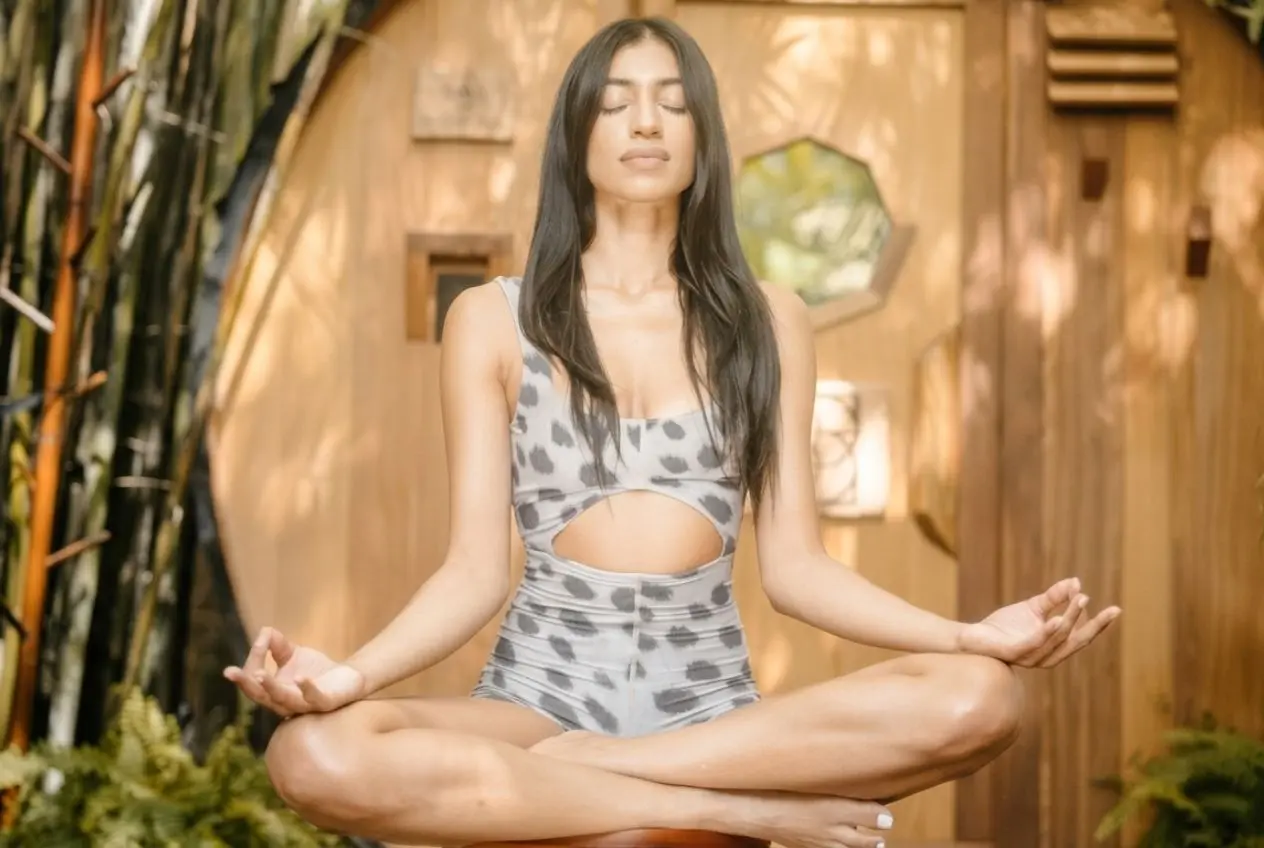
The simplest version: breathe in gently through your nose, then let the exhale run longer than the inhale. In for a count of four, out for a count of six, repeated for a minute or two. That longer, comfortable exhalation is the part that does the work, nudging the body toward its calmer setting. These breathing exercises for stress are easy to use at a desk, in the car, or before a hard conversation, which is exactly why they are one of the most reliable relaxation techniques for stress. No one around you even has to know you are doing it.
2. Use Grounding Techniques When Your Mind Feels Overactive
When anxious thoughts start spiraling into every possible what-if, grounding pulls your attention out of the hypothetical and back into the room you are actually in.
The best-known version is the 5-4-3-2-1 method: name five things you can see, four you can feel, three you can hear, two you can smell, and one you can taste. Moving through your senses gives a racing mind a concrete job to do. Grounding techniques work best the moment you notice tension rising, before the feelings gather speed, and they are one of the more dependable tools for anxiety and stress relief when your head feels too loud. The numbers are a guide, not a rule. The point is to engage your senses and come back to now.
3. Release Physical Tension Through Progressive Muscle Relaxation
Stress is a squatter. It moves into the jaw, the shoulders, the neck, the hands, and often sets up residence without paying rent or announcing itself.
Progressive muscle relaxation works by tensing one muscle group at a time, holding for a few seconds, then releasing and noticing the difference. Many people start at the feet and work upward, or the reverse. The act of deliberately tensing and letting go teaches you to recognize physical tension you had stopped noticing, and to release it on purpose. For anyone who carries stress in the body, these relaxation techniques turn a vague sense of being clenched into something you can actually loosen.
4. Move Your Body Instead of Staying Stuck in Stress
Stress is built for motion. The response evolved to get you moving, and a body that never discharges that energy tends to hold onto it.
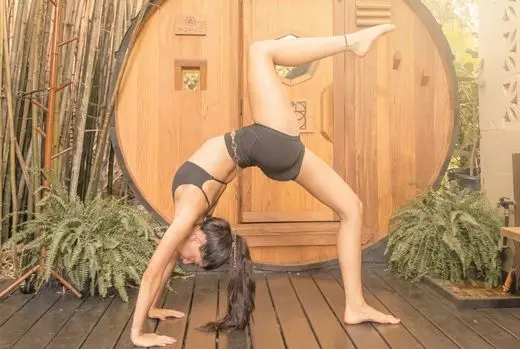
You do not need a workout. A short walk, some gentle stretching, a few minutes of mobility, any of these interrupts the stuck, sedentary quality that stress takes on when you sit with it for hours. Mindful movement, where you pay attention to how the body feels as it moves, adds a calming, attention-settling layer on top. These are some of the most accessible stress relief activities going, precisely because they ask so little. For a deeper look at movement built specifically around calm, our guide to yoga for stress relief covers that ground in detail.
5. Create Short Breaks Between Stressful Tasks
One of the most common myths about stress management is that it needs a big block of free time. It does not. It needs small, frequent pauses.
A micro-break can be ninety seconds. Step away from the screen, look out a window, take a few slow breaths, walk to refill your water. Changing your environment, even briefly, breaks the momentum that lets daily stress compound through a packed day. Stacking these small resets is one of the quieter but more effective ways to manage stress, and among the more sustainable stress management strategies, because you can actually keep doing it.
6. Build a Better Wind-Down and Sleep Routine
Stress and sleep feed each other, and not in a good way. A stressed mind resists sleep, and a short night leaves you with less patience for the next day’s pressure.
A consistent evening routine helps break that loop. Dim the lights, lower the stimulation, and give yourself a real transition between the workday and rest instead of working until the moment your head hits the pillow. That might be a warm shower, a few pages of a book, some stretching, whatever signals to your body that the day is closing. Protecting the relationship between sleep and stress is one of the most underrated relaxation techniques there is, mostly because it happens while you are unconscious and gets no credit.
7. Identify Stress Triggers and Change Your Response
Some stress is unavoidable. A surprising amount of it is patterned, predictable, and self-inflicted.
Keeping a short journal for a week or two tends to reveal your stress triggers, the recurring situations, people, and times of day that reliably wind you up. Once you can see them, you can sort them into what you can control and what you cannot, and spend your energy accordingly. Setting a boundary, saying no to one more commitment, or turning off a stream of notifications are all forms of coping with stress at the source. Building these kinds of healthy coping strategies does more over time than any in-the-moment technique, because it shrinks the number of moments you need to manage.
8. Make Recovery Part of Your Routine
Everything above handles stress as it happens. Recovery is the other half, and it is the part most people skip.
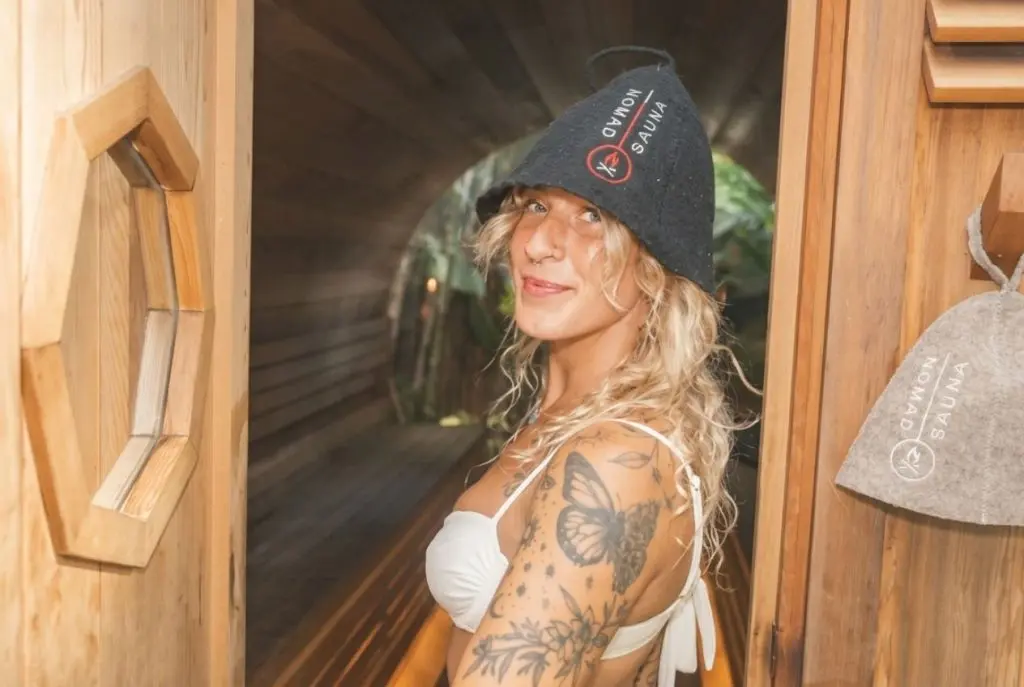
Recovery means deliberately scheduling time for your nervous system to downshift: time away from screens, mindful practices, gentle movement, body-based relaxation, a consistent ritual you actually look forward to. Treating recovery as optional is why stress accumulates. Treating it as a standing appointment is how you keep it from building up. For those who want structured, guided support, the stress management sessions at SILA Miami bring breathwork, mindful practices, and guided techniques together to support nervous system balance, focus, and emotional steadiness. The recovery environment also includes options like sauna for stress relief and stress relief bodywork.
BOOK A STRESS-RESET SESSION AT SILA
How to Choose the Right Stress Management Technique
Eight techniques is plenty, and in the moment you do not want to deliberate. The quickest way to choose is to match the technique to what you are actually feeling.
| If you’re experiencing… | Try… |
| Racing thoughts | Breathing or grounding |
| Physical tension | Progressive muscle relaxation or gentle movement |
| Overstimulation | A quiet break with reduced stimulation |
| Work-related stress | A micro-break plus boundary-setting |
| Difficulty winding down | An evening relaxation routine |
| Recurring stress | Identify triggers and establish a routine |
Think of it less as a rulebook and more as a starting point. Over time you learn your own patterns, which technique fits which kind of pressure, and the matching becomes automatic. That instinct is really what techniques to manage stress and anxiety come down to in practice: the right tool, reached for without having to think about it.
How to Build a Daily Stress Management Routine
Techniques work best when they are not reserved for emergencies. Woven into an ordinary day, they keep stress from reaching the boiling point to begin with. A workable routine can be genuinely small.
Morning: two to five minutes of slow breathing, and a little movement to start the day in your body rather than your inbox.
During the day: short breaks between tasks, grounding when tension rises, and a quick mental note of what is triggering the stress.
Evening: lower the stimulation, add some gentle movement or relaxation, and keep a consistent wind-down so your body learns the day is ending.
The theme running through all of it is consistency over intensity. Five minutes done daily does far more for managing stress and anxiety than an hour done once in a stressed-out panic. Build the habit small enough that a hard day cannot knock it over, and let it grow from there.
When Stress or Anxiety May Require Professional Support
These techniques support general wellbeing, and they are not a treatment for an anxiety disorder. That distinction matters.
It is worth reaching out to a qualified healthcare provider or licensed mental health professional when stress or anxiety persists, becomes severe, starts interfering with your daily functioning, significantly affects your sleep or relationships, or simply feels difficult to manage on your own. Anxiety disorders are recognized medical conditions, and getting support for one is a practical step, not a failure of willpower.
Breathing exercises, grounding, movement, sauna, yoga, and bodywork can all sit alongside professional care, and none of them replace it. If you are ever in crisis or concerned about your safety, contact a healthcare professional or local emergency services directly.
Searching for Stress Management Support Near Me in Miami?
For guided stress management, mindful practices, and a full recovery environment, SILA welcomes clients from across Miami, FL and the surrounding neighborhoods. The broader approach to stress management in Miami ties these techniques into a complete wellness setting.
Our location inside Upper Buena Vista places us within easy reach of Buena Vista (ZIP codes 33127 and 33137), Midtown (ZIP code 33137), and the creative districts of Wynwood and Wynwood Norte (ZIP code 33127).
Clients from Brickell (ZIP codes 33130 and 33131) and Miami Beach (ZIP codes 33139, 33140, and 33141) regularly make SILA part of their routine. We also welcome clients from Edgewater (ZIP code 33137), Coconut Grove (ZIP code 33133), Downtown Miami and Park West (ZIP codes 33130, 33131, and 33132), as well as North Miami (ZIP codes 33161 and 33162).
Wherever you are coming from in Miami, FL, a session at SILA is designed to help you leave feeling calmer and more settled than when you arrived.
Frequently Asked Questions About Stress Management Techniques
What are the most effective stress management techniques?
The most effective stress management techniques tend to be the simple ones you will actually use: slow breathing, grounding, progressive muscle relaxation, movement, short breaks, and a consistent wind-down routine. No single technique works best for everyone, so the real skill is building a small set you can reach for and using them consistently rather than waiting for stress to peak.
What techniques help with both stress and anxiety?
Because stress and anxiety both run through the same nervous system, many of the same tools help both. Slow breathing, grounding techniques, and gentle movement are reliable stress management techniques for stress and anxiety, since they settle an activated system whether the trigger is a concrete demand or a vaguer sense of unease. Persistent or severe anxiety deserves professional support alongside these techniques.
How can I reduce stress quickly?
For fast relief, the quickest stress relief techniques are breath and attention based. A minute of slow breathing with a long exhale, or a round of 5-4-3-2-1 grounding, can downshift an overactive mind in the moment. A brief change of environment, like stepping outside or away from a screen, adds to the effect. These work because they interrupt the stress response directly rather than trying to think your way calm.
What is the best way to manage daily stress?
The best way to manage daily stress is to build small techniques into your day rather than saving them for a crisis. A few minutes of breathing in the morning, short breaks between tasks, grounding when tension rises, and a consistent evening wind-down keep stress from compounding. These everyday ways to manage stress work through consistency, so a small routine you keep beats an ambitious one you abandon.
Can wellness practices support stress management?
Wellness practices can be a valuable part of your stress management strategies when used to support general wellbeing. Mindful movement, breathwork, recovery rituals, and guided sessions give the nervous system structured ways to settle and recover. They complement the in-the-moment techniques rather than replacing them, and for anxiety disorders or persistent distress, they work best alongside care from a qualified professional.
Ready to Build Your Stress Management Routine in Miami?
Step into Miami’s most complete wellness sanctuary, a space designed to help you slow down, recover, and build habits that actually stick. Located in Upper Buena Vista, SILA brings breathwork, mindful practices, and guided techniques together in one outdoor, jungle-inspired setting, so managing stress becomes part of your week rather than one more thing to manage.
Support your nervous system through guided stress management sessions, settle the mind with mindful movement, and round out your routine with the recovery options SILA is built around. Explore the full picture of how SILA approaches stress management in Miami, and build a routine that helps you meet a demanding week feeling steadier.
Book your session today and give your nervous system a place to reset.
BOOK YOUR WELLNESS SESSION AT SILA
Important Health & Wellness Disclaimer
The content in this article and on this website is for informational and educational purposes only and does not constitute medical advice. The wellness services offered at SILA Miami are intended to support general wellness, relaxation, and recovery. They are not intended to diagnose, treat, cure, or prevent any disease or medical condition, including stress-related disorders, anxiety disorders, or depression.
Stress and anxiety are health matters that vary from person to person, and references to research or techniques throughout this article are provided for general educational context; they do not imply that any technique or SILA service treats a medical condition. If stress or anxiety is persistent, severe, or interfering with your daily life, or if you have a medical condition, are pregnant, or take medication, please consult a qualified healthcare professional or licensed mental health provider.
If you are in crisis or concerned about your safety, contact a healthcare professional or local emergency services directly.
About the author

Milan is a spirit serving Sila Miami, helping people feel better, move with ease, and reconnect with themselves. Through writing and guidance, he shares the essence of what Sila Miami stands for: recovery, mindful movement, and modern biohacking woven into a grounded wellness lifestyle.
His work reflects the full Sila Miami experience, from sauna and cold plunge contrast therapy to lymphatic drainage, hyperbaric oxygen therapy, red light therapy, yoga, and functional training. Each story is rooted in the idea that wellness is not just a service, but a way of returning to balance, clarity, and connection in everyday life.